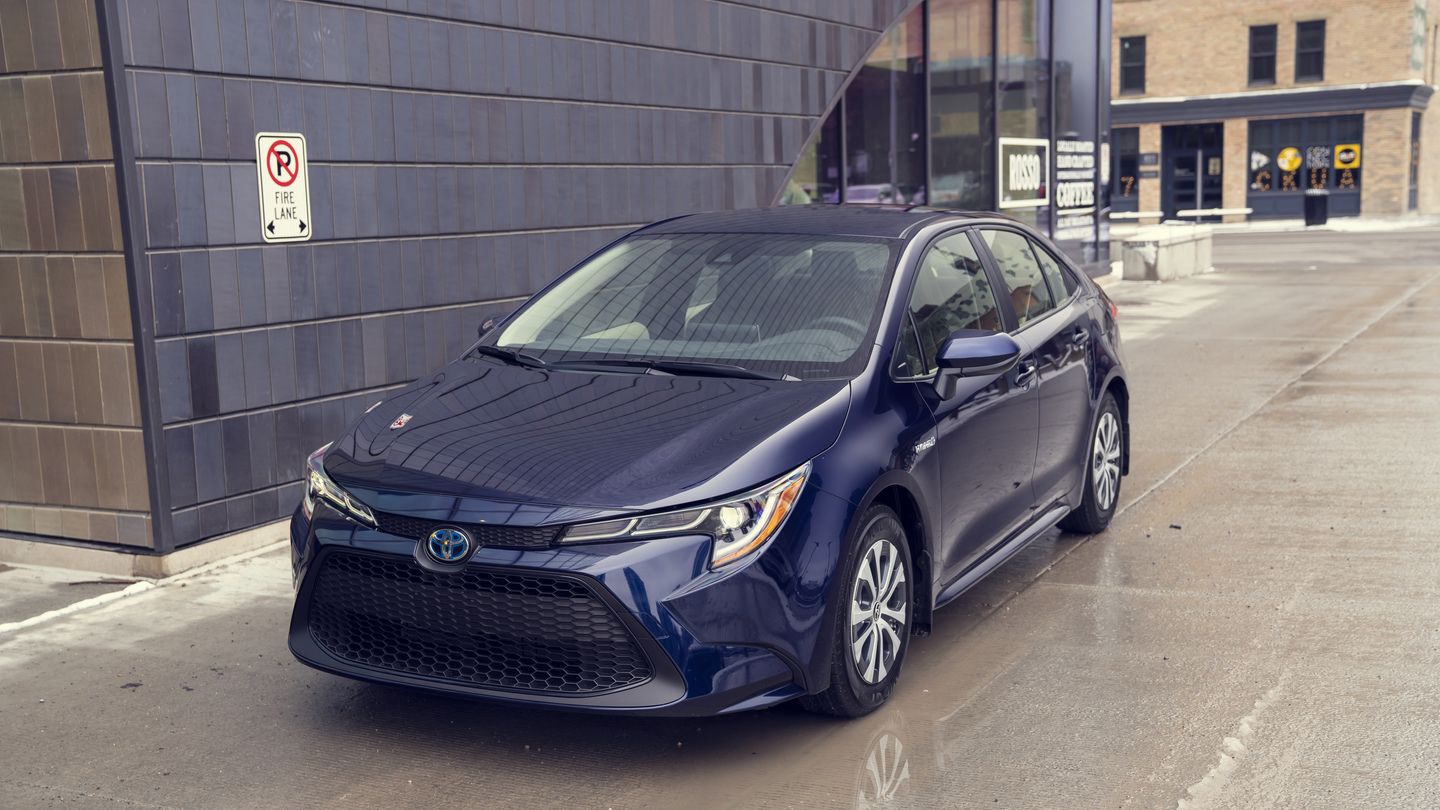
A Closer Look at the 2027 Toyota Corolla Hybrid LE AWD
Some mornings the highway is dry and easy. Other days a sudden downpour or a gravel shoulder on a rural route changes the whole drive. If your...
Read more
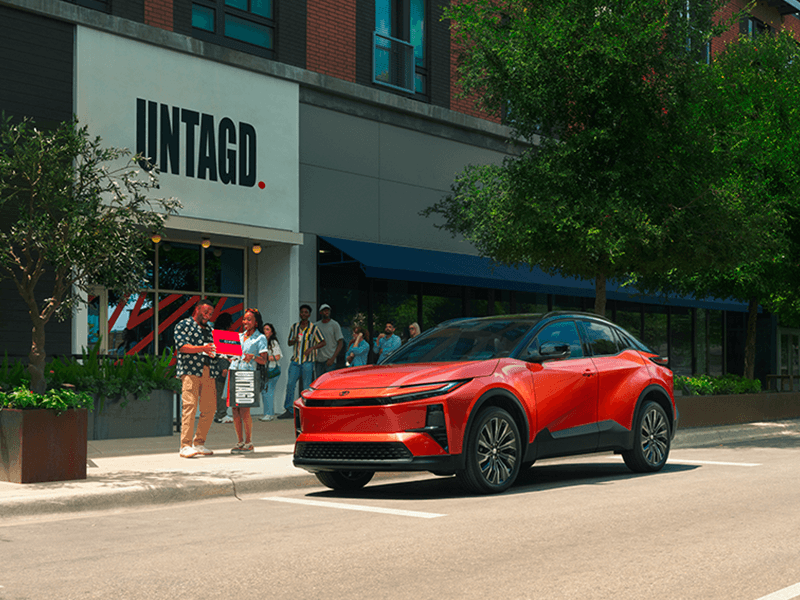
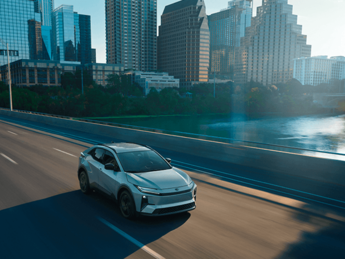
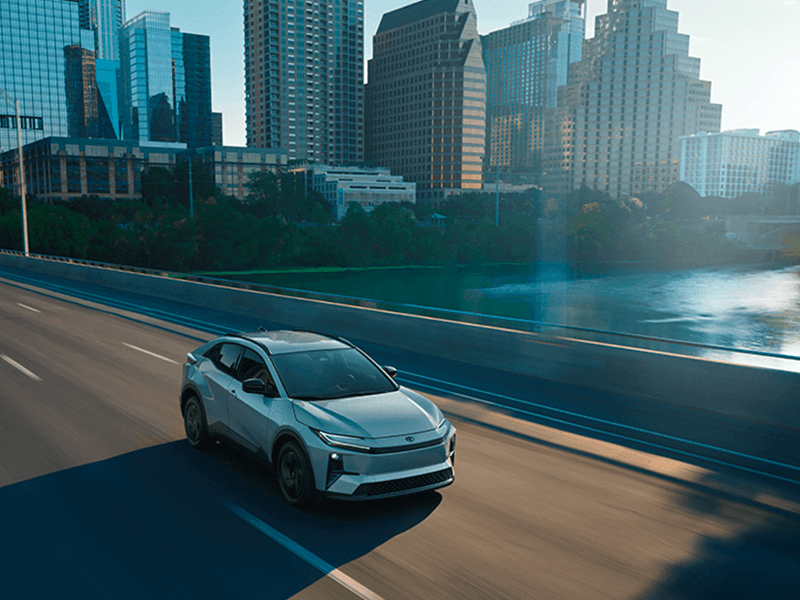
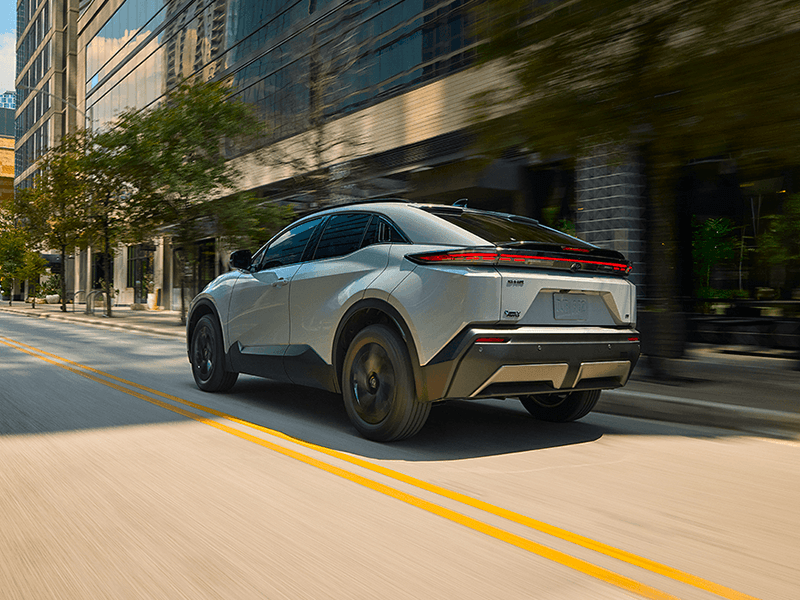
The Toyota C-HR returns for 2026, but this is not simply a new generation of the crossover we once knew. Toyota has completely transformed the model into a compact, 100% electric SUV. It features a dedicated electric vehicle platform, a 77-kWh battery and up to 496 kilometres of estimated driving range.
With its compact dimensions, distinctive design and three available versions, the new C-HR offers a versatile electric solution for daily commuting and longer journeys. Here is everything you should know before discovering the 2026 Toyota C-HR at Toyota Île-Perrot.
Driving range depends on the selected model and drivetrain:
| Model | Drivetrain | Power | Estimated Range |
|---|---|---|---|
| C-HR SE | Front-wheel drive | 221 hp | 496 km |
| C-HR XSE | All-wheel drive | 338 hp | 452 km |
| C-HR XSE Premium | All-wheel drive | 338 hp | 438 km |
These figures are manufacturer estimates obtained with the battery fully charged and the vehicle operating under ideal conditions. In Québec, cold temperatures, cabin heating, driving speed, wind, winter tires and driving habits can reduce real-world range.
The SE is therefore the logical choice for drivers who want to maximize the distance between charging stops. The XSE models prioritize performance and traction with their two electric motors. The XSE Premium’s 20-inch wheels and additional equipment partly explain its slightly lower estimated range.
The C-HR SE produces a combined 221 hp, delivered to the front wheels. This configuration offers immediate acceleration and efficient performance while providing the greatest driving range in the lineup.
XSE models place an electric motor on each axle to produce 338 hp and create an electronic all-wheel-drive system. According to Toyota, they can accelerate from 0 to 100 km/h in approximately 5.2 seconds. This performance makes the C-HR one of the quicker compact electric SUVs in its category.
The battery’s location beneath the floor also lowers the vehicle’s centre of gravity. Toyota reinforced the structure and adjusted the springs, dampers and anti-roll bars to give the C-HR a stable and agile character.
Every 2026 C-HR has a North American Charging System, or NACS, port. This connector is being used by an increasing number of public fast-charging stations across North America. The vehicle can be charged using Level 1, Level 2 or compatible DC fast-charging equipment.
Under ideal conditions, a fast charger can bring the battery from 10% to 80% in approximately 30 minutes. The standard 11-kW onboard charger also allows the C-HR to take advantage of a sufficiently powerful residential Level 2 charging station. A dual-voltage cable compatible with 120- and 240-volt power sources is included.
Battery preconditioning is another important advantage. This system brings the battery to a more favourable temperature before a fast-charging session. It can be activated manually or automatically when a fast-charging station is selected as a destination in the navigation system, subject to the required Connected Services subscription.
The C-HR also provides four levels of regenerative braking, selected using paddles mounted behind the steering wheel. Drivers can adjust how strongly the vehicle slows and recover some of the energy that would normally be lost during braking.
Despite its streamlined profile, the C-HR remains a practical SUV. It measures 4,520 mm long and rides on a 2,750-mm wheelbase. The cargo area provides up to 720 litres of capacity behind the rear seats. Folding the rear seatbacks expands the maximum cargo volume to 1,685 litres.
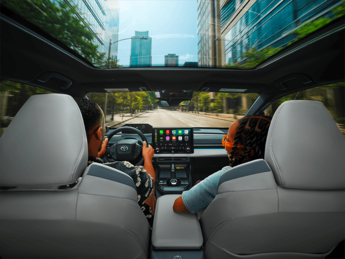
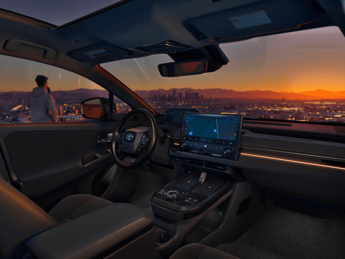
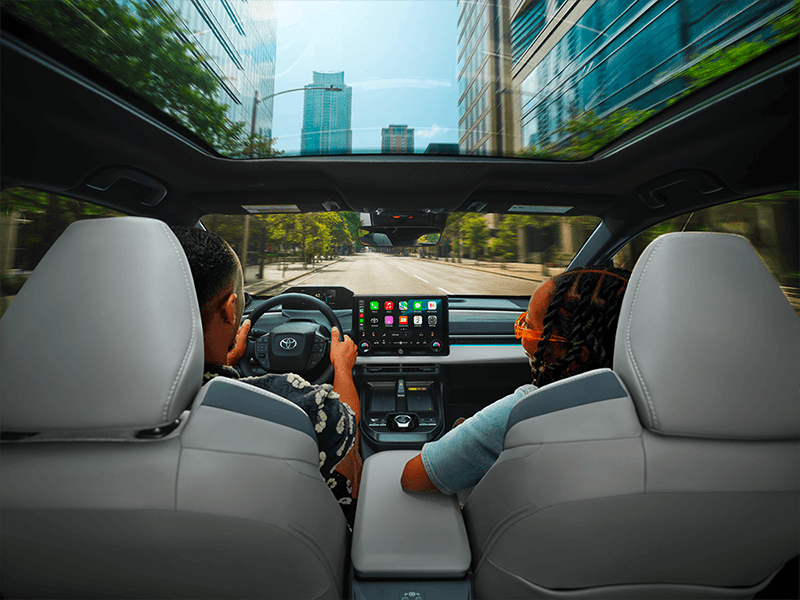
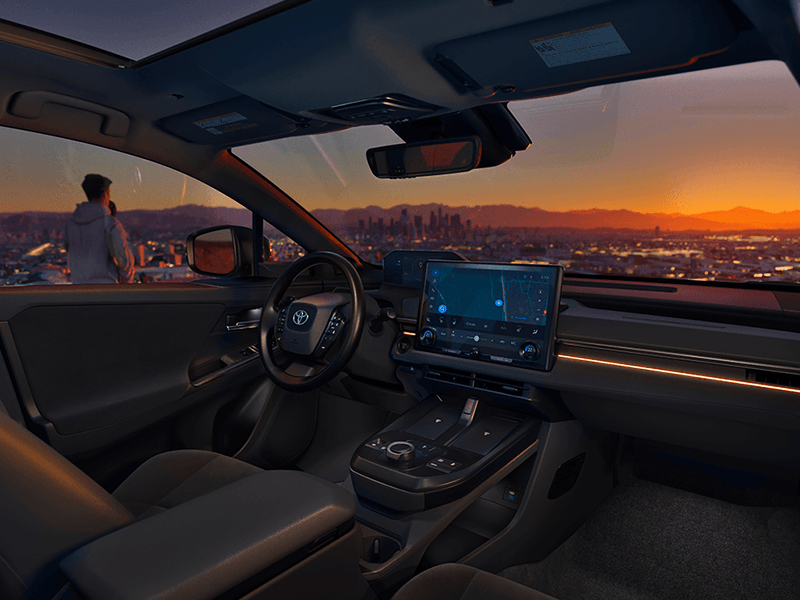
Every version includes a 14-inch touchscreen, a digital instrument display, two wireless smartphone chargers and four USB-C ports. Wireless Apple CarPlay and Android Auto compatibility are also standard.
The SE already provides heated front seats, a heated steering wheel, a power liftgate, rain-sensing wipers and 18-inch wheels. The XSE adds features such as a Panoramic View Monitor, power seat adjustments, driver’s seat memory and SofTex and synthetic suede upholstery. The XSE Premium stands out with a fixed panoramic roof, heated rear seats, 20-inch wheels and a nine-speaker JBL audio system.
Toyota Safety Sense 3.0 is standard. This collection of driver-assistance technologies includes a Pre-Collision System with Pedestrian Detection, adaptive cruise control, Lane Departure Alert with Steering Assist, Lane Tracing Assist and Road Sign Assist.
Blind Spot Monitor, Rear Cross Traffic Alert and Safe Exit Alert are also included. XSE models add technologies such as Lane Change Assist, Front Cross Traffic Alert and Traffic Jam Assist.
Starting manufacturer’s suggested retail prices are:
Freight, pre-delivery inspection, applicable fees, taxes, registration and optional equipment may affect the final price.
The 2026 Toyota C-HR ultimately combines competitive driving range, fast charging, advanced technology and impressive performance in its all-wheel-drive configurations. The specialists at Toyota Île-Perrot can help you compare all three versions and determine which C-HR best matches your daily driving needs.
A Closer Look at the 2027 Toyota Corolla Hybrid LE AWD
Some mornings the highway is dry and easy. Other days a sudden downpour or a gravel shoulder on a rural route changes the whole drive. If your...
Read more
5 Benefits of Toyota Extra Care Protection
A new Toyota is covered by a manufacturer’s warranty, but some owners plan to keep their vehicle longer or want greater control over unexpected...
Read more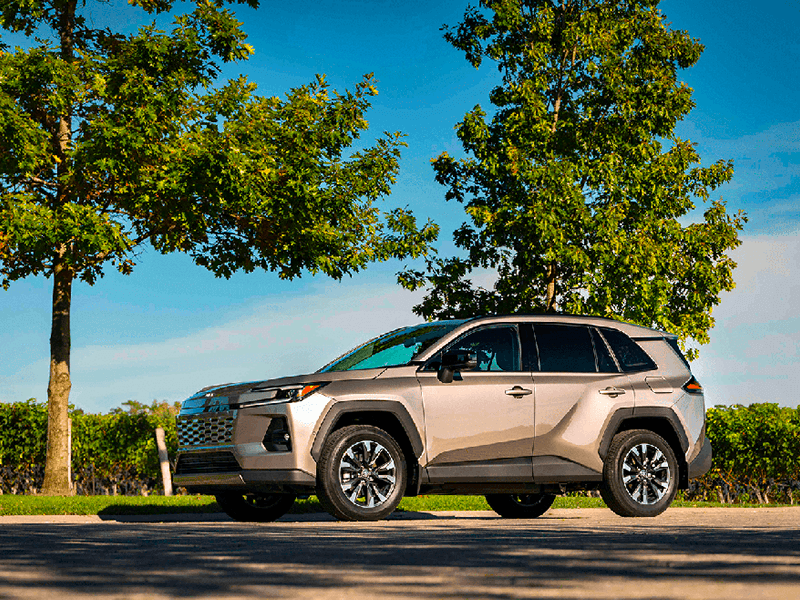
2026 Toyota RAV4: We Answer All Your Questions
The Toyota RAV4 has been completely redesigned for 2026. This sixth generation maintains the versatility that made the RAV4 so successful while...
Read morePowered and developed by
