
Ski-Season Weekends in the 2027 Toyota bZ Woodland: AWD, Range and Room for Gear
Ski season brings early wake-ups, snowy roads and a cargo area full of boots, poles and helmets. The right vehicle makes those weekends easier,...
Read more
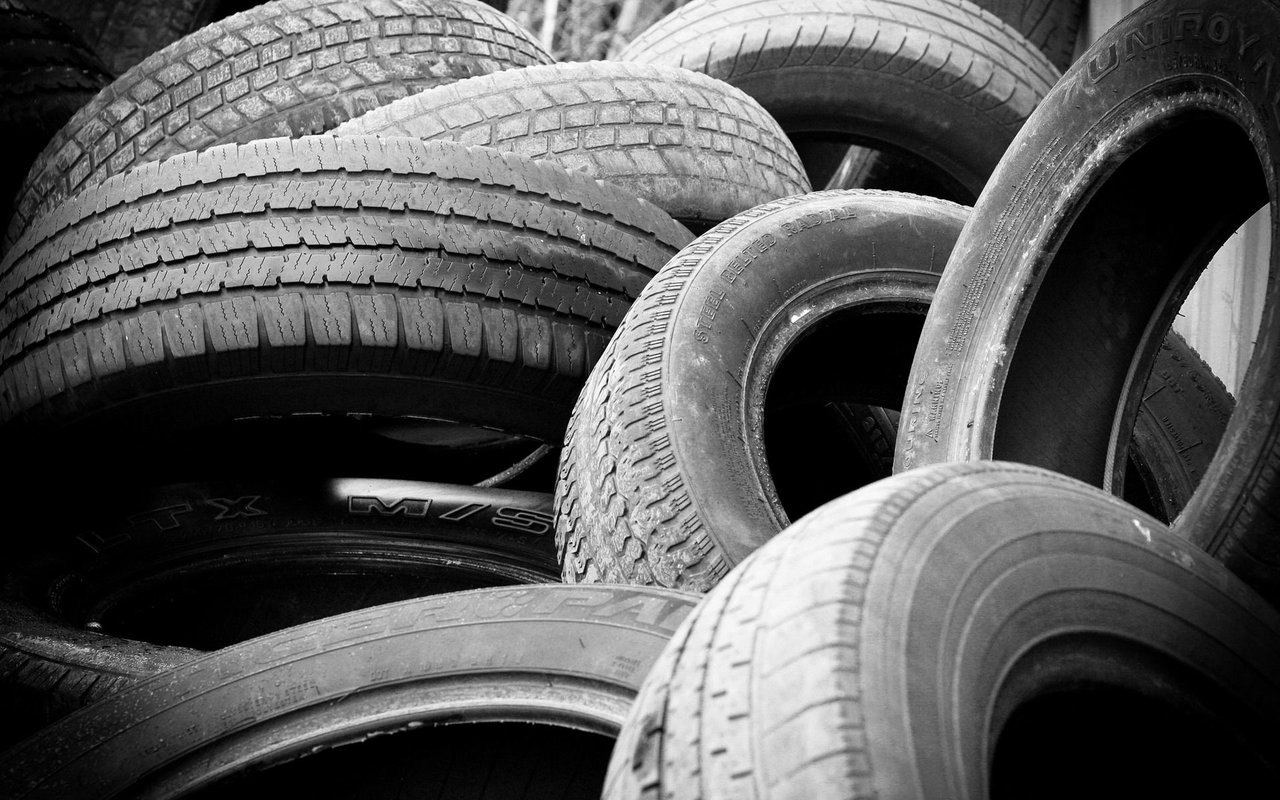
Your winter tires sure earned their keep these last few months. But the technology that makes them effective in winter conditions are the same features that make them wrong for the rest of the year. Here’s why we strongly recommend you switch your winter tires for summer or all-season tires when the temperature reaches 7 degrees Celsius.
Under 7 degrees Celsius, winter tires’ softer rubber compound actually helps your tires adhere to the cold asphalt, and navigate through extreme winter conditions. But at 7 degrees and above, winter tire rubber is too soft for the warmer surface, causing lower steering stability, less responsiveness, poor gas mileage, and a longer stopping distance.
Summers and all-seasons are designed with metal-reinforced sidewalls. Which give drivers more sideways stability, so you get quicker steering responsiveness and better handling overall. Because you never know when you’ll need LOOK OUT FOR THAT SQUIRREL!!!
Not only does heat make winter tire rubber less effective on the road, the heat also causes increased wear and stress to the tire itself. In extreme cases, high temperatures combined with drier conditions can heat winter tires to the point where there can be real danger of a blow-out.
Not surprisingly, the softer rubber greatly increases drag, which decreases fuel efficiency. Which means the money you save on a second set of tires will quickly be spent at the pumps.
As you’ve probably noticed, your summer or all-seasons have very different treads relative to your winter tires. Winter tire treads are designed to help move snow away. But rain water works very differently. So the design changes to, well, what you see on summer or all-season tires. Different tire treads and more surface area - so you get more surface contact with the asphalt, while still preventing hydroplaning. All of which results in better dry and wet traction, as well as shorter stopping distances.
One thing that’s important to note with summer and all-season tires: Wear matters a lot. An expensive performance tire that is even partially worn performs worse than a mediocre tire with its full tread. So we strongly recommend you heed your Toyota tech’s advice about the state of your treads.
Tires are probably the most important factor to your safety in inclement weather. But there are lots of other factors as well. Canada’s seasons are tough on vehicles in all sorts of ways. The buildup of salt and slush can wreak havoc on a vehicle’s suspension and alignment. As can tires rubbing into a curb when parking. Plus, the usual deterioration of materials through time and wear from road salt and sand.
Whenever you bring your vehicle in for tire changeover, Toyota technicians check other systems related to driving and steering, like your brakes, brake drums, and fluid lines. That way you can get out there this summer, safe in the knowledge that your Toyota is running exactly as it should.
Ski-Season Weekends in the 2027 Toyota bZ Woodland: AWD, Range and Room for Gear
Ski season brings early wake-ups, snowy roads and a cargo area full of boots, poles and helmets. The right vehicle makes those weekends easier,...
Read more
2028 Highlander Electric: Everything We Know So Far
The all-new 2028 Toyota Highlander arrives with a major transformation: it becomes fully electric in Canada. With three rows of seating, an...
Read more
Tundra vs. Tacoma
Can’t decide between the Toyota Tacoma and the Toyota Tundra? Discover the key differences between these two iconic trucks to find the one that...
Read morePowered and developed by
