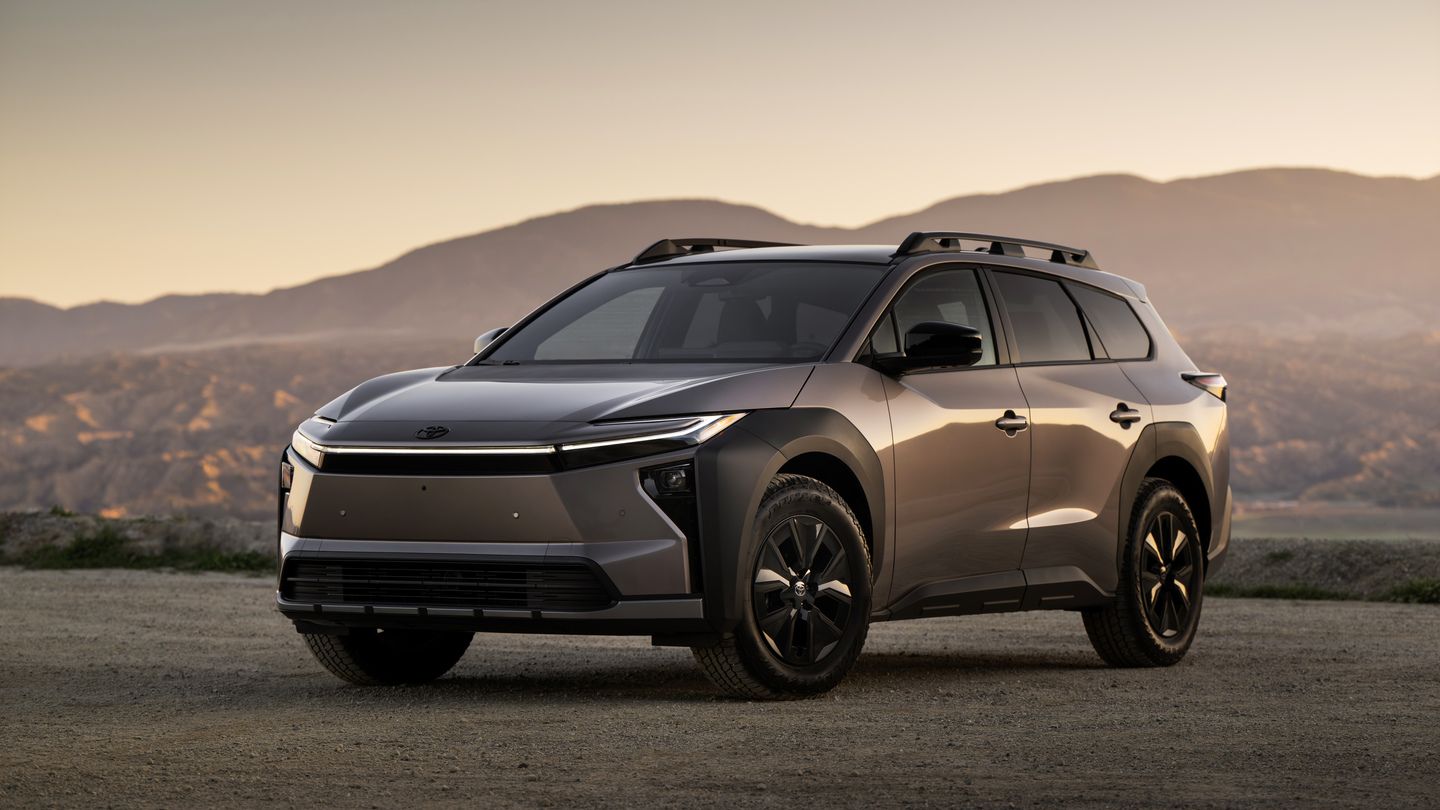
Ski-Season Weekends in the 2027 Toyota bZ Woodland: AWD, Range and Room for Gear
Ski season brings early wake-ups, snowy roads and a cargo area full of boots, poles and helmets. The right vehicle makes those weekends easier,...
Read more
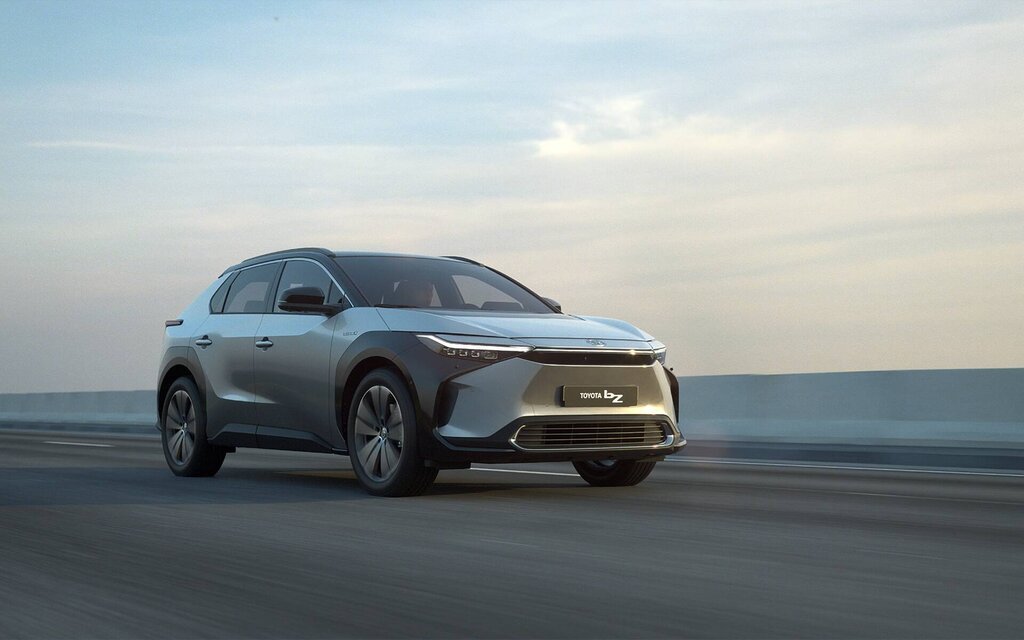
While it keeps championing conventional hybrid vehicles—like the millions it has sold globally thus far—and rejecting the idea of a complete ban on combustion engines in the next decade, Toyota is hard at work developing its future electric vehicles starting with the bZ4X crossover.
Heck, the Japanese automaker is even advancing solid-state battery technology with plans to introduce a prototype soon. These new packs will offer much longer range and allow faster charging.
Speaking of which, when will we see wireless charging solutions for cars? Several manufacturers are working on them, but Toyota now goes a step further with a patent for wireless vehicle-to-vehicle energy transfer…on the fly.
Imagine this: you’re driving on the highway in your new bZ4X and the battery charge is getting kind of low. Instead of searching for a charging station nearby and stopping to plug in, all you have to do is send out an energy request that could be picked up by another EV. Let’s say a future, battery-powered Tundra (because electric pickups are the next big thing, or so it seems) answers your call. It would come in and drive by your side to share some electrons.
Too good to be true? Well, it certainly raises a number of questions. Why would another EV driver accept to give you—or sell—some of their battery charge? At what cost? How close to your car do they have to be? Is it safe? How long will the energy transfer last? What about traffic conditions?
This looks like just a concept for now, and Toyota will eventually come back with more information and answers, but you should know the company also sees a future where EVs could automatically request energy when the battery charge drops below a certain point, without their drivers even knowing about it.
According to the patent, the location of the wireless charging system could change in time, so rather than driving side by side, you could just follow the vehicle that’s charging you or vice versa, which would admittedly be preferrable.
What do you think? Is it realistic? For sure, the costs would be lower than, say, building entire roads embedded with wireless charging equipment that charges vehicles on the go, like those soon to be tested as part of pilot programs in Michigan and Indiana, but we’ll see.
Ski-Season Weekends in the 2027 Toyota bZ Woodland: AWD, Range and Room for Gear
Ski season brings early wake-ups, snowy roads and a cargo area full of boots, poles and helmets. The right vehicle makes those weekends easier,...
Read more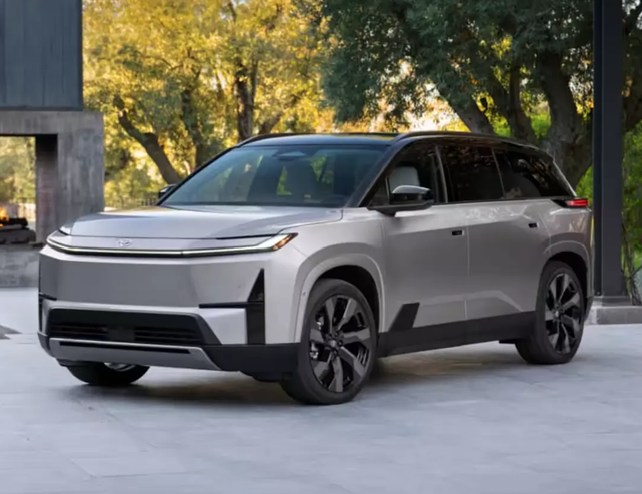
2028 Highlander Electric: Everything We Know So Far
The all-new 2028 Toyota Highlander arrives with a major transformation: it becomes fully electric in Canada. With three rows of seating, an...
Read more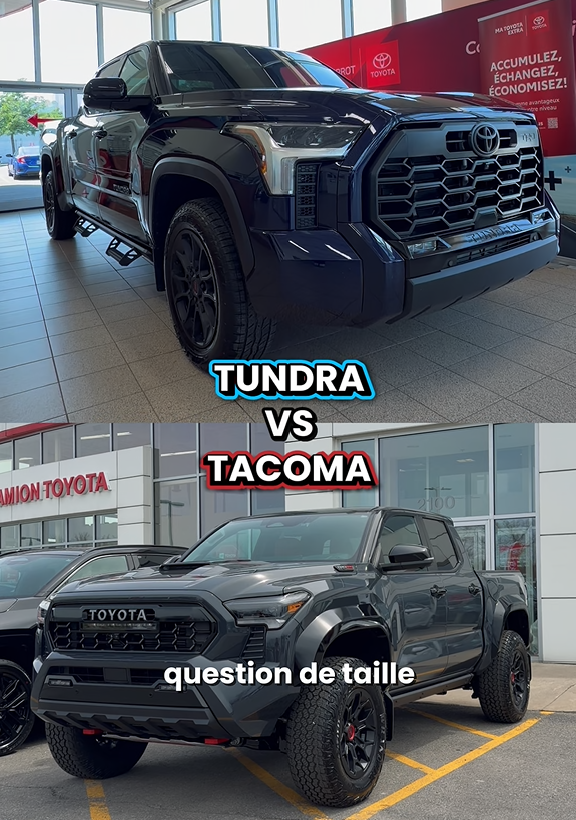
Tundra vs. Tacoma
Can’t decide between the Toyota Tacoma and the Toyota Tundra? Discover the key differences between these two iconic trucks to find the one that...
Read morePowered and developed by
