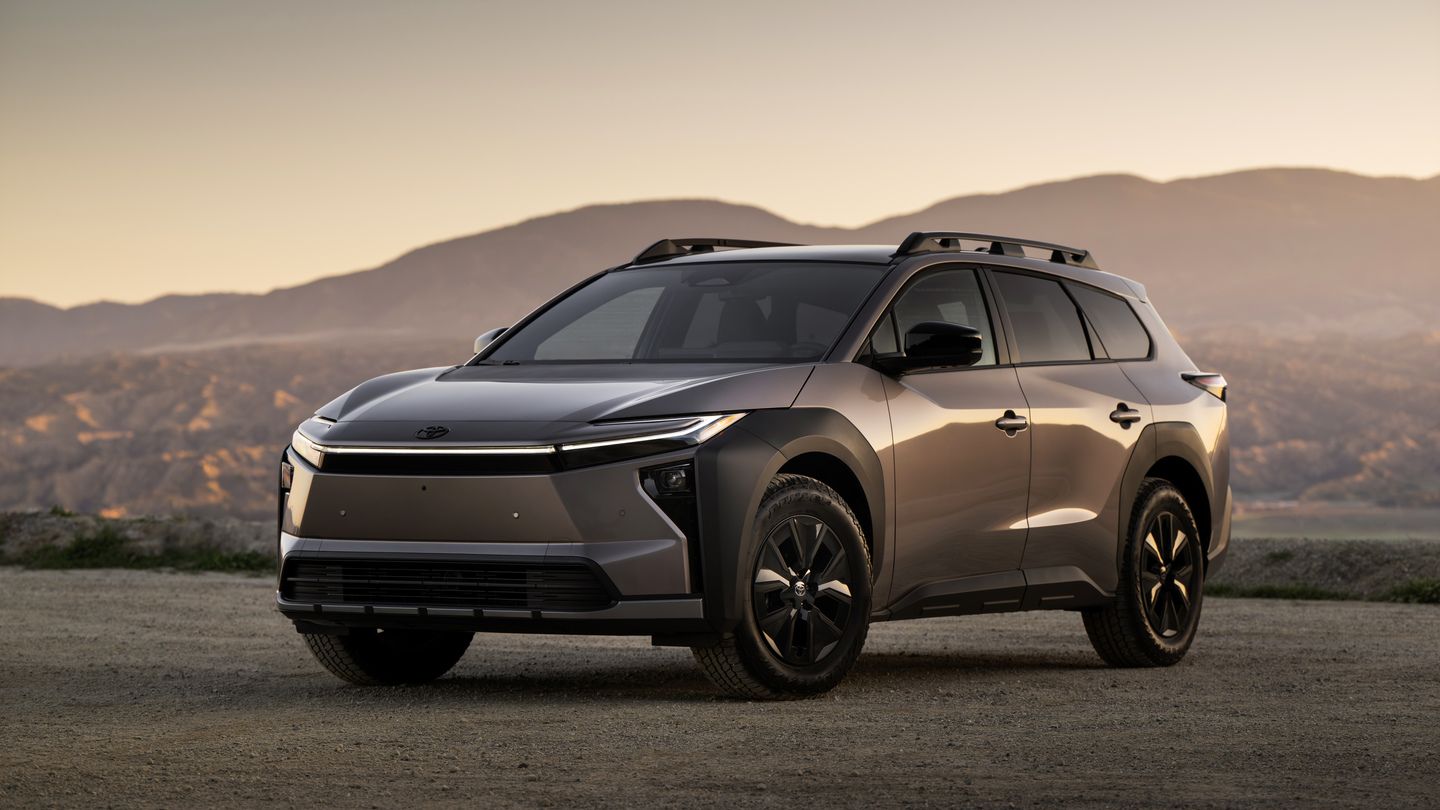
Ski-Season Weekends in the 2027 Toyota bZ Woodland: AWD, Range and Room for Gear
Ski season brings early wake-ups, snowy roads and a cargo area full of boots, poles and helmets. The right vehicle makes those weekends easier,...
Read more
A new survey in the U.S. shows that customer satisfaction with automobiles has improved 3% during the past year, contrary to what J.D. Power’s latest APEAL Study suggested last month.
According to the American Customer Satisfaction Index (ACSI) Automobile Study 2022-2023, the industry average is now 79%. Luxury vehicles continue to outpace their mass-market counterparts, but the gap is shrinking (81% vs. 79%).
“Satisfaction with the auto industry as a whole has fully rebounded to pre-pandemic levels, and consumer demand is strong despite rising interest rates,” said Forrest Morgeson, Associate Professor of Marketing at Michigan State University and Director of Research Emeritus at the ACSI. “The supply chain kinks that slowed production during the pandemic are starting to wane, and more cars are back in stock. Nearly every aspect of the driver experience—including driving performance, safety, dependability, gas mileage, and warranties— is better.”
He also pointed out that, despite higher prices, value perceptions have improved, too. And this bodes well for automakers and their sales figures in the second half of 2023.
The ACSI Automobile Study, which is based on interviews with 8,941 American customers between July 2022 and June 2023, has Toyota atop the mass-market and overall rankings with a score of 84%. Despite Toyota dealers’ consistently low inventories, about a third (35%) of car shoppers considered purchasing a Toyota product— more than any other car brand on the market.
Subaru ranks second among mass-market brands with a satisfaction rating of 82%, followed by Honda (81%) and Mazda (80). Some have fallen a bit including Nissan (76%), Volkswagen (75%), Jeep (74%) and Ram (74%). Chrysler is last with a score of 71%.
When it comes to luxury brands, Toyota-owned Lexus remains first, but it’s no longer alone. After sliding 1% to 83, the company now shares the top spot with Tesla, which moved up 4%. The EV leader has increased production and slashed prices since the beginning of 2023.
Next up is Cadillac (82%), while Audi, BMW and Mercedes-Benz are tied at 80%. After tying for second last year, Acura finishes last but still posts a score of 79%.
One last thing worth mentioning: drivers of both electric and hybrid vehicles are more satisfied than customers who own or lease gas-powered cars, the ACSI Automobile Study found. However, the lack of public chargers and long charging times continue to slow EV adoption.
“Early EV adopters find these vehicles perform well relative to their expectations, yet ACSI data show they are only superior in technology and warranties. That is not enough to convince more consumers to leave gas in the past,” Morgeson added.
Ski-Season Weekends in the 2027 Toyota bZ Woodland: AWD, Range and Room for Gear
Ski season brings early wake-ups, snowy roads and a cargo area full of boots, poles and helmets. The right vehicle makes those weekends easier,...
Read more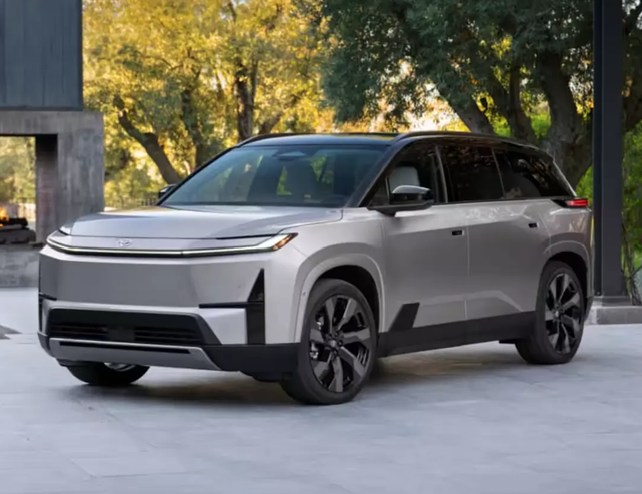
2028 Highlander Electric: Everything We Know So Far
The all-new 2028 Toyota Highlander arrives with a major transformation: it becomes fully electric in Canada. With three rows of seating, an...
Read more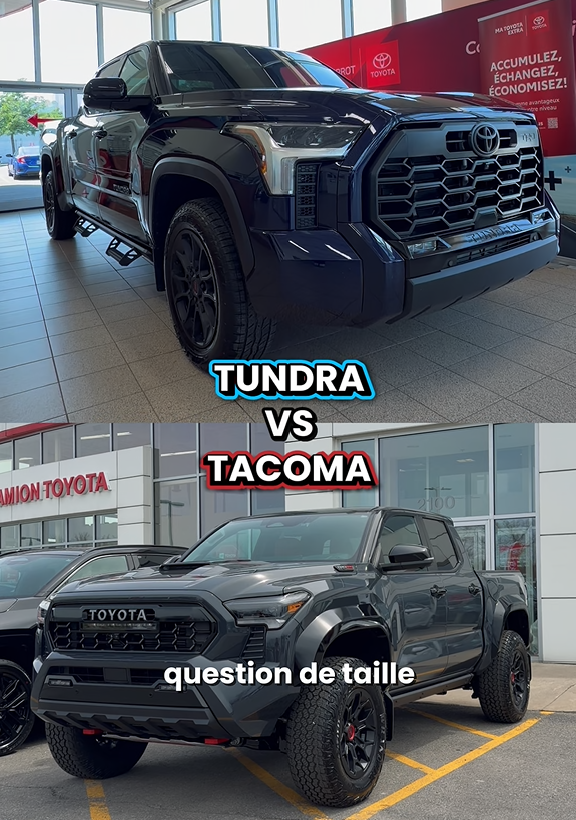
Tundra vs. Tacoma
Can’t decide between the Toyota Tacoma and the Toyota Tundra? Discover the key differences between these two iconic trucks to find the one that...
Read morePowered and developed by
